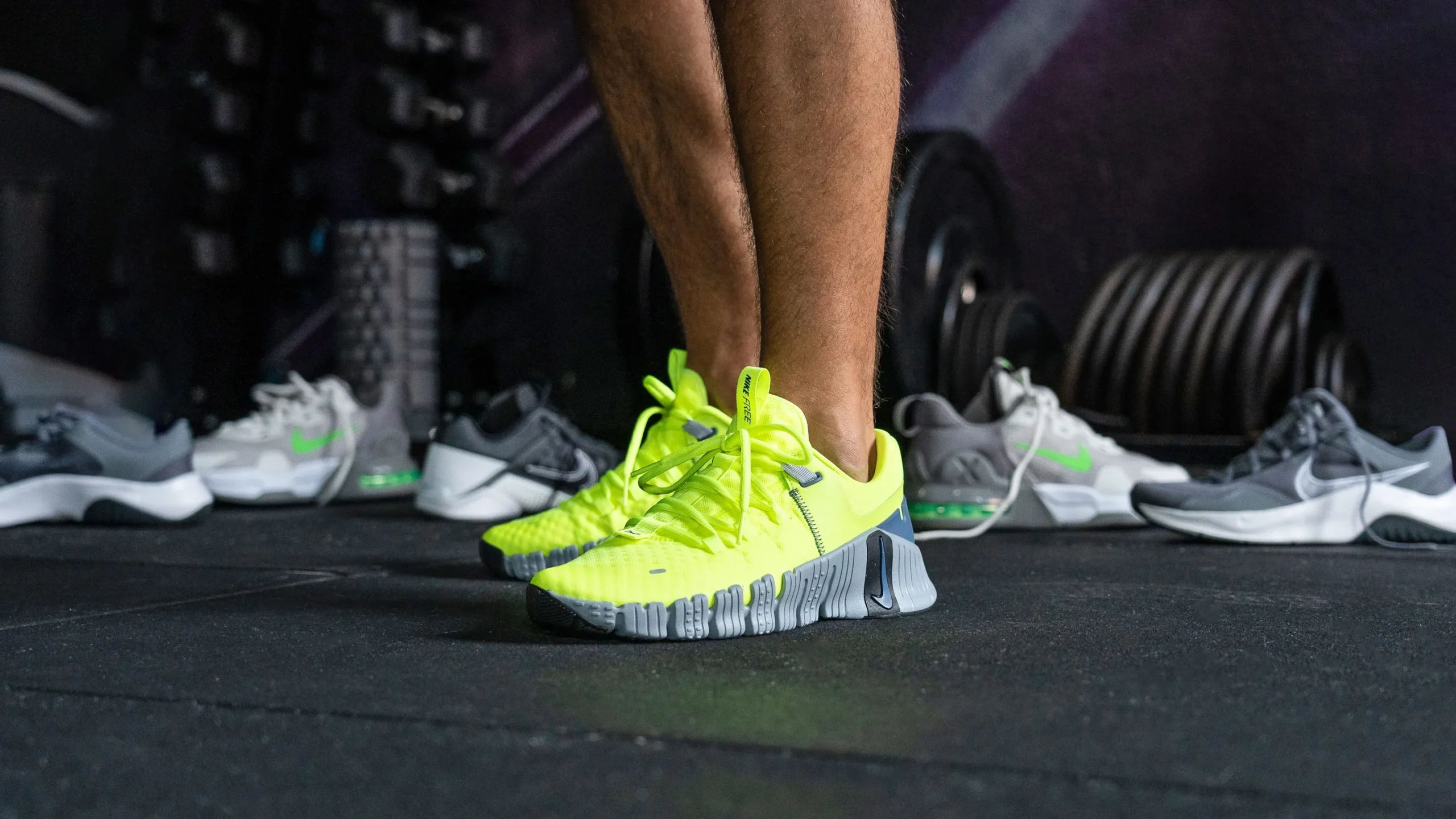
The Role of Proper Shoes in Gym Training
Many people focus heavily on workout routines, diet plans, and fitness schedules, but they often overlook one of the most important factors in gym performance—footwear.
The right sports shoes can improve balance, protect joints, and enhance overall performance. On the other hand, wearing unsuitable footwear can lead to discomfort, poor posture, and even injuries.
In 2025, gym training has become more diverse than ever. People engage in weightlifting, cardio workouts, functional training, and high-intensity interval training. Each activity places different demands on your feet, making it essential to choose shoes designed specifically for gym use.
If you are starting your fitness journey or upgrading your gear, selecting the right sports shoes is one of the smartest investments you can make.
Why Gym Shoes Are Different from Running Shoes
One of the most common mistakes beginners make is using running shoes for gym workouts.
Running shoes are designed for forward motion and cushioning, while gym workouts require stability and support during side-to-side movements.
Gym shoes typically offer:
- A flatter sole for better balance
- Strong grip for traction
- Reinforced support for lifting weights
- Durable materials for repeated movement
If you recently read our guide on choosing beginner-friendly running footwear, you may already understand how different shoe types serve different purposes. Selecting the correct shoe for your activity ensures better performance and safety.
Key Features to Look for in Gym Workout Shoes
Choosing gym shoes should be based on performance needs rather than appearance.
Here are the features that matter most.
Stability
Stability is the most important factor in gym footwear.
When lifting weights, your body needs a solid base. Shoes with stable soles help distribute weight evenly and prevent slipping.
This is especially important during exercises such as squats, lunges, and deadlifts.
Cushioning
While stability is critical, cushioning still plays a role in comfort.
Moderate cushioning helps absorb impact during cardio exercises such as treadmill running or jumping.
Too much cushioning can reduce stability, so balance is essential.
Grip and Traction
Gym floors can become slippery due to sweat or movement.
Shoes with strong traction reduce the risk of slipping and improve confidence during workouts.
This feature becomes particularly important during high-intensity training sessions.
Breathability
Gym workouts generate heat and sweat.
Shoes made from breathable materials allow air circulation and keep your feet cool.
This reduces odor and improves overall comfort.
Types of Sports Shoes for Different Gym Activities
Gym training includes multiple types of exercises, and each activity benefits from specific shoe features.
Weightlifting Shoes
Weightlifting shoes provide maximum stability and support.
They typically have a flat sole and reinforced heel structure to maintain balance during heavy lifts.
These shoes are ideal for strength training and bodybuilding.
Training Shoes
Training shoes are designed for versatility.
They combine cushioning and stability, making them suitable for various exercises, including cardio and strength training.
Most gym users prefer training shoes because they adapt to different workouts.
Cross-Training Shoes
Cross-training shoes support multi-directional movement.
They are perfect for high-intensity workouts, circuit training, and functional fitness routines.
These shoes provide flexibility while maintaining stability.
How to Choose the Right Gym Shoes for Your Routine
Your workout routine should guide your shoe selection.
If you focus mainly on weightlifting, choose shoes with strong stability.
If your routine includes cardio exercises, select shoes with moderate cushioning.
If you participate in group fitness classes or mixed workouts, cross-training shoes are often the best option.
Understanding your fitness goals helps you make better decisions when purchasing sports footwear.
The Importance of Comfort During Workouts
Comfort directly affects performance.
Uncomfortable shoes can distract you, reduce endurance, and increase the risk of injury.
Properly fitted shoes allow you to focus on your workout instead of adjusting your footwear.
Comfort also encourages consistency.
When your shoes feel good, you are more likely to exercise regularly and maintain your fitness routine.
Maintaining Foot Health Through Proper Footwear
Healthy feet are essential for an active lifestyle.
Gym workouts place repeated stress on your feet, making supportive footwear crucial.
Regular exercise routines such as yoga and stretching also contribute to foot strength and flexibility. Learning proper stretching techniques can help prevent injuries and improve mobility. You can explore additional flexibility and wellness practices here:
yogasniff.com
Combining proper footwear with stretching and recovery habits creates a balanced approach to fitness.
When to Replace Your Gym Shoes
Gym shoes gradually lose their support and cushioning over time.
Continuing to use worn-out shoes can lead to discomfort and reduced performance.
Common signs that your shoes need replacement include:
- Decreased stability
- Visible sole wear
- Persistent foot pain
- Reduced grip
Most gym shoes last between 6 to 12 months, depending on usage frequency.
Replacing shoes at the right time ensures safety and comfort during workouts.
Learning from Active Lifestyle Communities
Fitness and outdoor activities often share similar principles—proper equipment, preparation, and safety.
For example, activities such as adventure sports and water-based fitness also rely heavily on specialized gear to ensure safety and performance. You can explore how proper equipment plays a role in outdoor experiences here:
scoobadiveguide.com
Understanding the importance of equipment in different activities highlights why choosing the right gym shoes matters.
Building a Consistent Fitness Routine
Success in fitness does not depend on intensity alone.
Consistency is the key factor.
Wearing comfortable and supportive sports shoes makes it easier to maintain regular workouts.
When your footwear supports your movement, exercise becomes more enjoyable and sustainable.
Many athletes and fitness enthusiasts emphasize the importance of preparation and proper gear before engaging in physical activities. You can learn more about how preparation enhances performance in adventure-based fitness experiences here:
skydiveguides.com
These lessons apply equally to gym training.
Final Thoughts
Choosing the best sports shoes for gym workouts in 2025 is not just about style—it is about performance, comfort, and safety.
The right shoes improve stability, reduce injury risk, and enhance overall workout efficiency.
Whether you are lifting weights, running on a treadmill, or participating in group fitness sessions, investing in quality gym shoes supports long-term fitness success.
Your fitness journey starts from the ground up.
Make sure your footwear is ready to support every step.
FAQs
Can I use running shoes for gym workouts?
Running shoes can be used for light workouts, but training shoes provide better stability for gym exercises.
How tight should gym shoes be?
Gym shoes should fit snugly without causing discomfort or restricting movement.
Are expensive gym shoes worth it?
Price does not always determine quality. Comfort and fit are the most important factors.
How often should gym shoes be replaced?
Most gym shoes should be replaced every 6 to 12 months with regular use.
Do gym shoes affect performance?
Yes, proper footwear improves balance, stability, and overall workout efficiency.