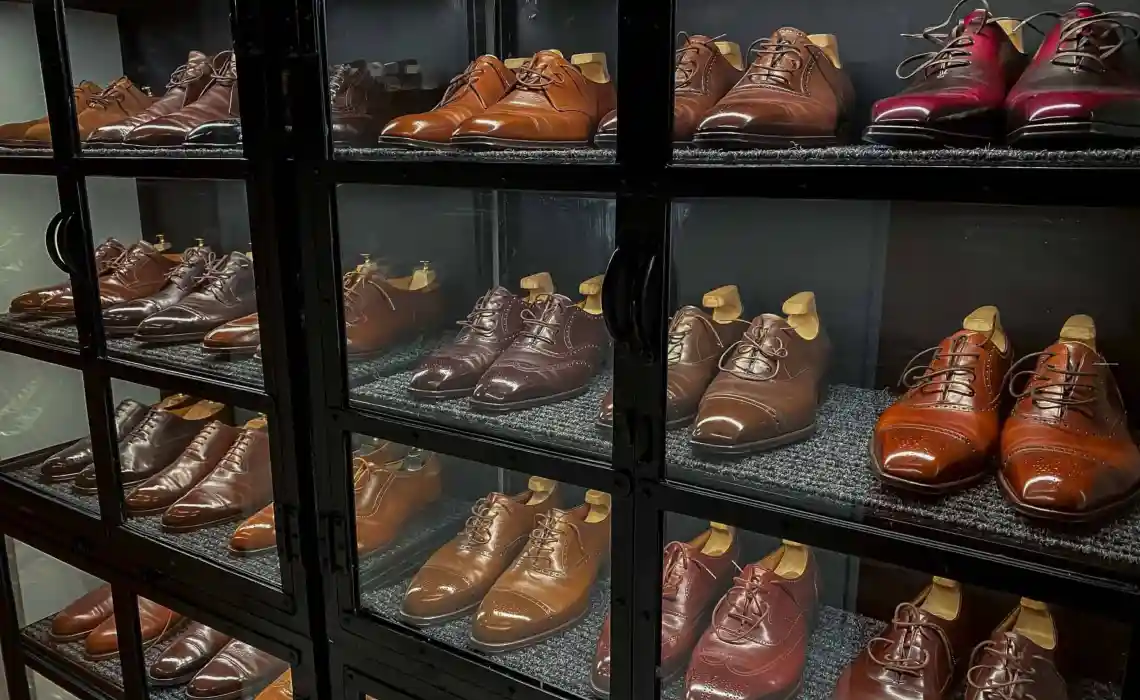
Most Shoe Damage Happens When You’re Not Wearing Them
People usually focus on how they wear their shoes.
But storage plays an equally important role.
Improper storage can lead to moisture buildup, shape distortion, unpleasant odors, and faster wear. Shoes left in crowded corners or damp spaces lose structure over time.
In 2025, footwear is considered a long-term investment. Proper storage protects materials, maintains comfort, and keeps your home organized.
Learning how to store shoes correctly is one of the simplest ways to extend their lifespan.
Why Shoe Storage Matters More Than You Think
Shoes are made from materials that respond to temperature and humidity.
Heat can dry out leather.
Moisture can weaken fabric.
Pressure can change shape.
Without proper storage, even high-quality footwear can deteriorate quickly.
If you want to maintain durability, you may also find it helpful to review our internal guide on how to make shoes last longer, which explains daily habits that protect shoe materials.
Storage is the foundation of long-term shoe care.
The Ideal Environment for Shoe Storage
Before choosing storage methods, consider the environment.
The best storage conditions include:
Cool temperature
Low humidity
Clean surroundings
Good airflow
These factors protect both comfort and durability.
Avoid storing shoes in areas with extreme heat or moisture.
Basements, bathrooms, and closed plastic containers without ventilation can damage materials.
Daily Storage Habits That Make a Difference
Small habits create big results.
Remove dirt before storing shoes.
Allow shoes to dry after use.
Keep pairs together.
Place shoes in a consistent location.
These simple actions prevent damage and maintain organization.
Consistency is more important than complexity.
The Role of Organization in Shoe Maintenance
Organized storage reduces wear and tear.
When shoes are stacked or crowded, pressure changes their shape.
Proper spacing allows materials to relax.
Professionals in demanding environments follow similar principles when maintaining equipment.
For example, individuals participating in high-adrenaline activities carefully store their gear to ensure reliability.
You can explore how proper storage improves performance through equipment maintenance and storage practices in skydiving available at SkydiveGuides, where organization protects safety equipment.
The same principle applies to footwear.
Seasonal Storage — Protecting Shoes Between Uses
Not all shoes are worn year-round.
Winter boots, formal shoes, and travel footwear may remain unused for months.
Seasonal storage prevents damage during these periods.
Before storing shoes long-term:
Clean them thoroughly.
Allow them to dry completely.
Store them in breathable containers.
Check them occasionally.
These steps maintain quality.
How Storage Affects Foot Comfort
Poor storage can reduce comfort.
Shoes that lose shape may cause pressure points.
Moisture can create odor and bacteria.
Proper storage maintains structure and hygiene.
Comfort depends on both maintenance and physical movement.
Many people include stretching routines in their daily schedule to maintain flexibility.
You can discover helpful techniques through guided yoga and relaxation routines available at YogaSniff, which focus on improving circulation and reducing tension.
Healthy movement supports comfortable footwear.
Travel and Temporary Storage Solutions
Travel often requires temporary storage.
Hotel rooms, luggage, and shared spaces may not provide ideal conditions.
Using simple storage solutions protects your shoes during travel.
Keep shoes in breathable bags.
Avoid placing heavy items on top.
Allow shoes to air out after use.
Travelers participating in outdoor activities follow similar practices when managing equipment.
You can see how preparation improves reliability by reviewing scuba travel gear storage and preparation guides available at ScoobaDiveGuide, which emphasize protecting equipment during transportation.
These habits apply equally to footwear.
Common Shoe Storage Mistakes to Avoid
Many storage problems come from simple mistakes.
Storing wet shoes immediately.
Placing shoes in direct sunlight.
Stacking heavy items on footwear.
Keeping shoes in sealed plastic bags.
Ignoring dust and dirt.
Avoiding these mistakes protects materials and comfort.
Signs Your Shoes Are Stored Incorrectly
Your shoes often show visible warning signs.
Misshapen structure
Unpleasant odor
Cracked material
Discoloration
Reduced comfort
These signs indicate poor storage conditions.
Correcting storage habits prevents further damage.
A Simple Storage Formula for Long-Lasting Shoes
Clean + Dry + Organized = Protected Shoes
This formula applies to all types of footwear.
Final Thoughts
Proper shoe storage in 2025 is about protection, organization, and long-term value.
Simple habits—such as keeping shoes clean, dry, and properly spaced—can significantly extend their lifespan.
Storage is not just about keeping your home tidy.
It is about maintaining comfort and preserving your investment.
Taking care of your shoes starts with where you place them.
FAQs
What is the best place to store shoes?
A cool, dry, and well-ventilated area is ideal.
Can moisture damage stored shoes?
Yes, moisture weakens materials and causes odor.
Should shoes be stored in boxes?
Yes, breathable boxes protect shape and cleanliness.
Is sunlight harmful to stored shoes?
Yes, direct sunlight can dry and crack materials.
How often should stored shoes be checked?
Checking them once a month helps prevent damage.