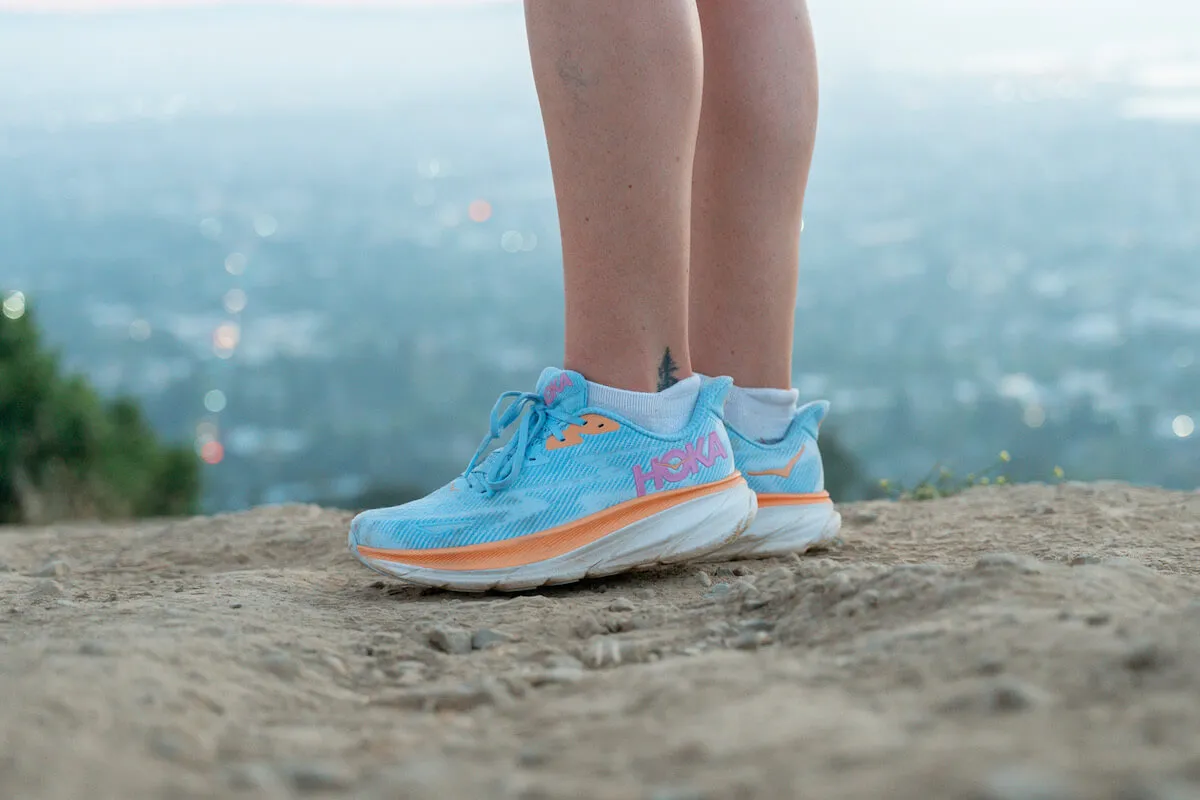
A Day in the Life: Why Comfortable Shoes Matter More Than Style
Imagine starting your day early in the morning.
You walk to the bus stop, stand in line, move between meetings, run errands, and return home in the evening. By the time the day ends, your feet have carried your entire body for hours.
Now imagine doing all of that in uncomfortable shoes.
The result is usually the same—sore feet, tired legs, and reduced energy.
This is why comfortable shoes are not a luxury. They are a necessity.
In 2025, women are prioritizing comfort more than ever before. Modern footwear brands understand this shift and now design shoes that combine softness, support, and style. The goal is simple: help women move confidently throughout the day without discomfort.
Comfort Means Different Things for Different Women
Not every woman has the same routine.
Some spend long hours standing at work. Others walk frequently while commuting or traveling. Many manage both professional and household responsibilities.
Because lifestyles vary, comfort requirements also vary.
A teacher may need shoes that support standing for hours. A traveler may need lightweight footwear. A professional working in an office may need formal yet comfortable shoes.
Understanding your daily routine is the first step toward choosing the right footwear.
If your routine includes long walks or daily movement, you may also want to explore our internal guide on how to choose comfortable shoes, which explains how cushioning and fit influence long-term comfort.
What Women Often Notice First About Comfortable Shoes
Comfortable shoes are not defined by appearance.
They are defined by how they feel after hours of use.
Women often notice comfort through small details:
The softness of the insole.
The flexibility of the sole.
The absence of pressure points.
The ability to walk longer without fatigue.
These subtle features make a significant difference in daily life.
In 2025, shoe manufacturers focus on ergonomic design, ensuring that footwear supports natural movement instead of restricting it.
The Hidden Cost of Uncomfortable Shoes
Many people tolerate discomfort because they believe it is normal.
But uncomfortable shoes can lead to long-term problems.
Common issues include:
Foot pain
Back pain
Knee strain
Poor posture
Fatigue
These problems often start gradually and become noticeable over time.
Choosing supportive footwear helps prevent these issues before they develop.
Professionals in physically demanding environments understand the importance of proper equipment. For example, individuals participating in high-impact activities rely on reliable gear to maintain safety and performance.
You can learn more about the role of dependable equipment by exploring safety preparation and gear selection for adventure activities available at SkydiveGuides, where preparation is considered essential for performance.
The same principle applies to everyday footwear.
Small Features That Make a Big Difference
Comfort is often created by small design details.
Soft Cushioning
Cushioning absorbs pressure during walking.
It protects joints and reduces fatigue.
Even a few extra millimeters of cushioning can improve comfort significantly.
Lightweight Construction
Heavy shoes increase strain on muscles.
Lightweight footwear allows easier movement and reduces tiredness.
This feature becomes especially important during long days.
Breathable Materials
Breathable shoes keep feet cool.
They reduce moisture and prevent discomfort.
Breathability improves overall hygiene and comfort.
Flexible Soles
Flexible soles allow natural movement.
They support walking without restricting motion.
Flexibility also improves balance and stability.
Comfort Is Not Just About Shoes — It Is About Movement
Footwear plays a major role in comfort, but physical movement also matters.
Many women include short stretching routines in their daily schedule to maintain flexibility and reduce tension.
Practices such as yoga help strengthen muscles, improve posture, and support circulation.
You can discover simple methods for improving flexibility and relaxation through daily yoga and meditation routines available at YogaSniff, a platform focused on wellness and movement.
Combining supportive shoes with regular stretching creates long-term comfort.
Choosing Shoes for Travel and Busy Days
Travel often involves extended walking.
Airports, markets, shopping centers, and public transportation require reliable footwear.
Comfortable shoes make travel easier and more enjoyable.
Travelers who explore new environments understand the importance of selecting dependable equipment.
You can see how preparation improves comfort and safety by reviewing travel equipment and preparation guides for outdoor adventures available at ScoobaDiveGuide, which emphasize the value of reliable gear during long journeys.
This lesson applies directly to footwear selection.
When Comfort Becomes a Daily Priority
Many women realize the importance of comfortable shoes only after experiencing discomfort.
But making comfort a priority from the beginning prevents problems later.
Comfortable footwear supports productivity, confidence, and overall well-being.
It allows you to focus on your day instead of worrying about your feet.
Signs Your Shoes Are Truly Comfortable
Comfortable shoes usually share common characteristics.
You can wear them for hours without pain.
Your feet feel supported and stable.
Walking feels natural and effortless.
You do not feel pressure or tightness.
If your shoes meet these conditions, they are likely a good fit.
A Simple Rule for Choosing Comfortable Shoes in 2025
Choose comfort before style.
Try shoes before purchasing.
Consider your daily routine.
Replace worn-out footwear regularly.
These simple habits help maintain comfort and prevent discomfort.
Final Thoughts
Comfortable shoes have become an essential part of modern life.
They support daily movement, improve posture, and reduce fatigue.
In 2025, footwear design focuses on balancing comfort and style, making it easier than ever to find shoes that match your lifestyle.
The right pair of shoes can transform your daily experience.
Your comfort begins from the ground up.
FAQs
What type of shoes are most comfortable for women?
Shoes with soft cushioning, proper fit, and breathable materials are usually the most comfortable.
How long should comfortable shoes last?
Most comfortable shoes last between 8 and 12 months with regular use.
Are flat shoes better than heels for comfort?
Flat shoes generally provide better support for daily wear.
Can comfortable shoes still look stylish?
Yes, modern footwear combines comfort and style.
How do I know if my shoes fit correctly?
They should feel secure without causing pressure or discomfort.