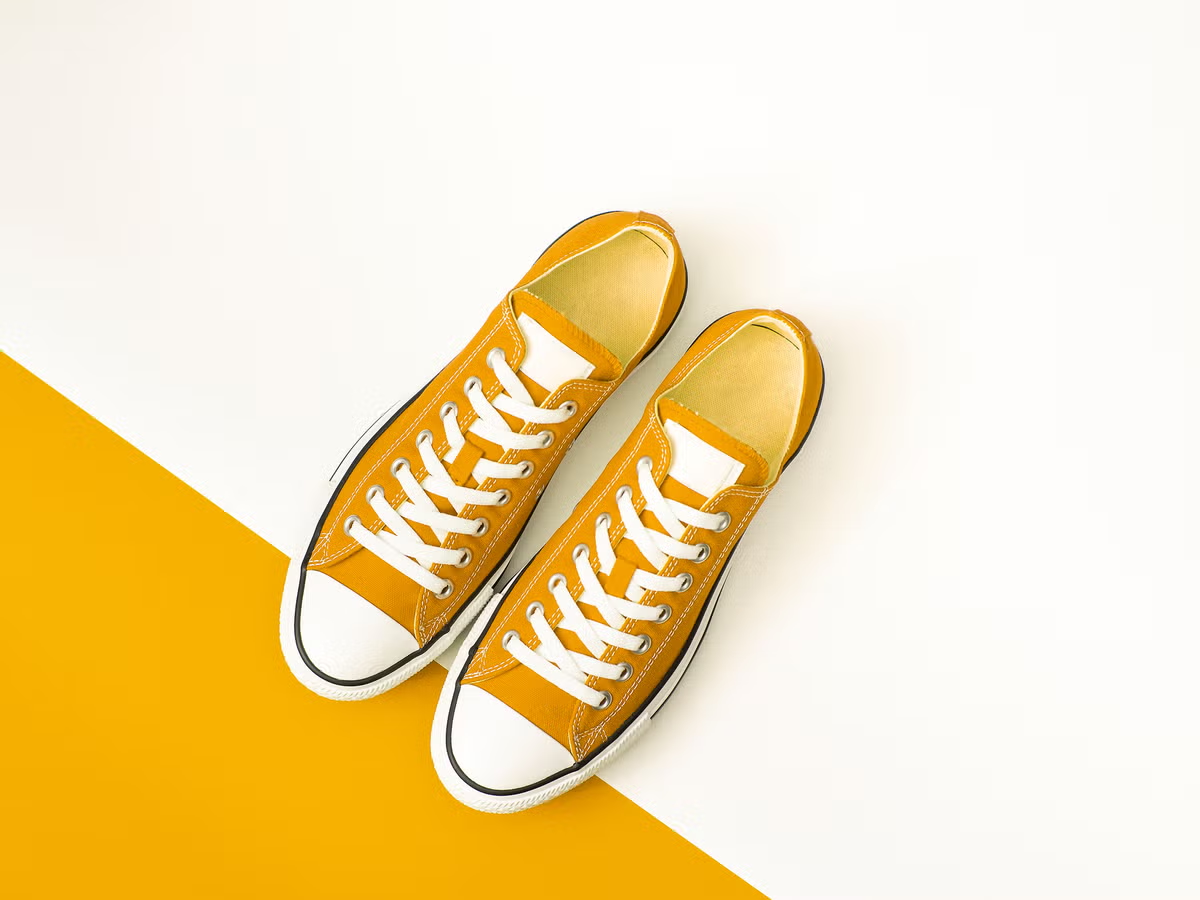
Shoes Wear Out Faster Than They Should — And It’s Usually Preventable
Most people believe shoes wear out simply because of time.
But in reality, shoes often wear out because of habits.
Wearing the same pair every day, storing shoes incorrectly, or ignoring small signs of damage can shorten their lifespan significantly. In 2025, footwear prices have increased, and replacing shoes frequently can become expensive.
Learning how to maintain shoes properly is one of the easiest ways to save money and stay comfortable.
Shoes are not just accessories—they are daily tools that support your body. Treating them with care ensures they perform well for longer.
The Real Cost of Replacing Shoes Too Often
Imagine buying a new pair of shoes every few months.
Over time, the cost adds up.
Replacing shoes frequently not only affects your budget but also creates inconvenience. Taking a few simple maintenance steps can double the lifespan of your footwear.
This approach is especially important for individuals who rely on comfortable shoes daily. If you stand or walk frequently, you may also benefit from reviewing our internal guide on best shoes for standing all day, which explains how supportive footwear reduces wear and fatigue.
Habit #1 — Rotate Your Shoes Instead of Wearing One Pair Daily
One of the simplest ways to extend shoe life is rotation.
Shoes need time to recover after use.
When you wear the same pair every day, moisture builds up inside, weakening materials.
Rotating between two or three pairs allows shoes to dry and maintain shape.
This small habit significantly increases durability.
Habit #2 — Store Shoes Properly
Storage plays a major role in shoe longevity.
Leaving shoes on the floor or in damp environments can damage materials.
Proper storage protects structure and appearance.
Keep shoes in a cool, dry place.
Use shoe racks or boxes.
Avoid stacking shoes on top of each other.
These steps prevent unnecessary wear.
Habit #3 — Clean Shoes Regularly
Dirt and moisture weaken materials over time.
Cleaning shoes removes harmful particles and preserves flexibility.
Regular cleaning also maintains appearance.
If you want detailed instructions, you can review our internal guide on how to clean white shoes, which explains simple methods for maintaining footwear condition.
Routine cleaning prevents long-term damage.
Habit #4 — Use the Right Shoes for the Right Activity
Different activities require different footwear.
Using running shoes for heavy work or wearing casual shoes during sports can cause premature damage.
Matching shoes to the correct activity protects materials and improves performance.
This principle is widely recognized in physically demanding environments.
For example, individuals participating in high-risk activities rely on equipment designed specifically for their task. You can learn more about the importance of proper gear selection through skydiving equipment preparation and safety practices available at SkydiveGuides, where choosing the right equipment ensures reliability.
The same idea applies to footwear.
Habit #5 — Allow Shoes to Dry Naturally
Moisture is one of the biggest causes of shoe damage.
Wet shoes lose shape and weaken quickly.
After exposure to rain or sweat, allow shoes to dry naturally.
Avoid using heaters or direct sunlight.
Natural drying preserves structure and comfort.
Habit #6 — Replace Insoles Instead of Replacing Shoes
Sometimes the shoe is still strong, but the insole is worn out.
Replacing insoles restores comfort and support.
This simple fix can extend shoe life by several months.
Insoles also improve hygiene and cushioning.
Habit #7 — Maintain Foot Health to Reduce Wear
Healthy feet help shoes last longer.
Improper walking posture increases pressure on certain areas of the shoe.
This leads to uneven wear.
Stretching and strengthening exercises improve balance and movement.
Many people include short wellness routines in their daily schedule to maintain flexibility.
You can explore helpful techniques through daily yoga and posture improvement routines available at YogaSniff, which focus on mobility and recovery.
Better movement reduces stress on footwear.
Habit #8 — Inspect Shoes Regularly
Small problems become big problems when ignored.
Checking shoes regularly helps identify issues early.
Look for:
Loose stitching
Worn soles
Cracks in material
Reduced cushioning
Uneven wear
Fixing these issues early prevents further damage.
Shoes and Travel — Why Maintenance Matters Even More
Travel exposes shoes to dust, moisture, and rough surfaces.
Proper care becomes essential after travel.
Outdoor enthusiasts understand the importance of maintaining equipment after use.
You can see how proper maintenance improves performance by reviewing scuba gear care and travel preparation guides available at ScoobaDiveGuide, which emphasize cleaning and inspection after challenging environments.
These habits apply equally to footwear.
Signs Your Shoes Are Reaching the End of Their Life
Even with proper care, shoes eventually wear out.
Recognizing the right time to replace them prevents discomfort.
Watch for:
Persistent foot pain
Flattened cushioning
Slippery soles
Visible cracks
Loss of support
Replacing shoes at the right time protects your health.
A Simple Formula for Long-Lasting Shoes
Care + Rotation + Proper Use = Longer Lifespan
This formula works for all types of footwear.
Final Thoughts
Making shoes last longer is not complicated.
It requires consistent habits and attention to detail.
In 2025, footwear maintenance has become an important part of managing expenses and maintaining comfort.
Small actions—such as rotating shoes, cleaning regularly, and storing properly—can significantly extend lifespan.
Taking care of your shoes means taking care of your comfort.
FAQs
How long should shoes last?
Most shoes last between 6 and 12 months with regular use.
Can cleaning shoes extend their lifespan?
Yes, regular cleaning prevents material damage.
Is it bad to wear the same shoes every day?
Yes, rotation helps shoes maintain structure.
Do insoles improve shoe durability?
Yes, replacing insoles restores comfort and support.
What damages shoes the most?
Moisture, dirt, and improper storage are common causes.