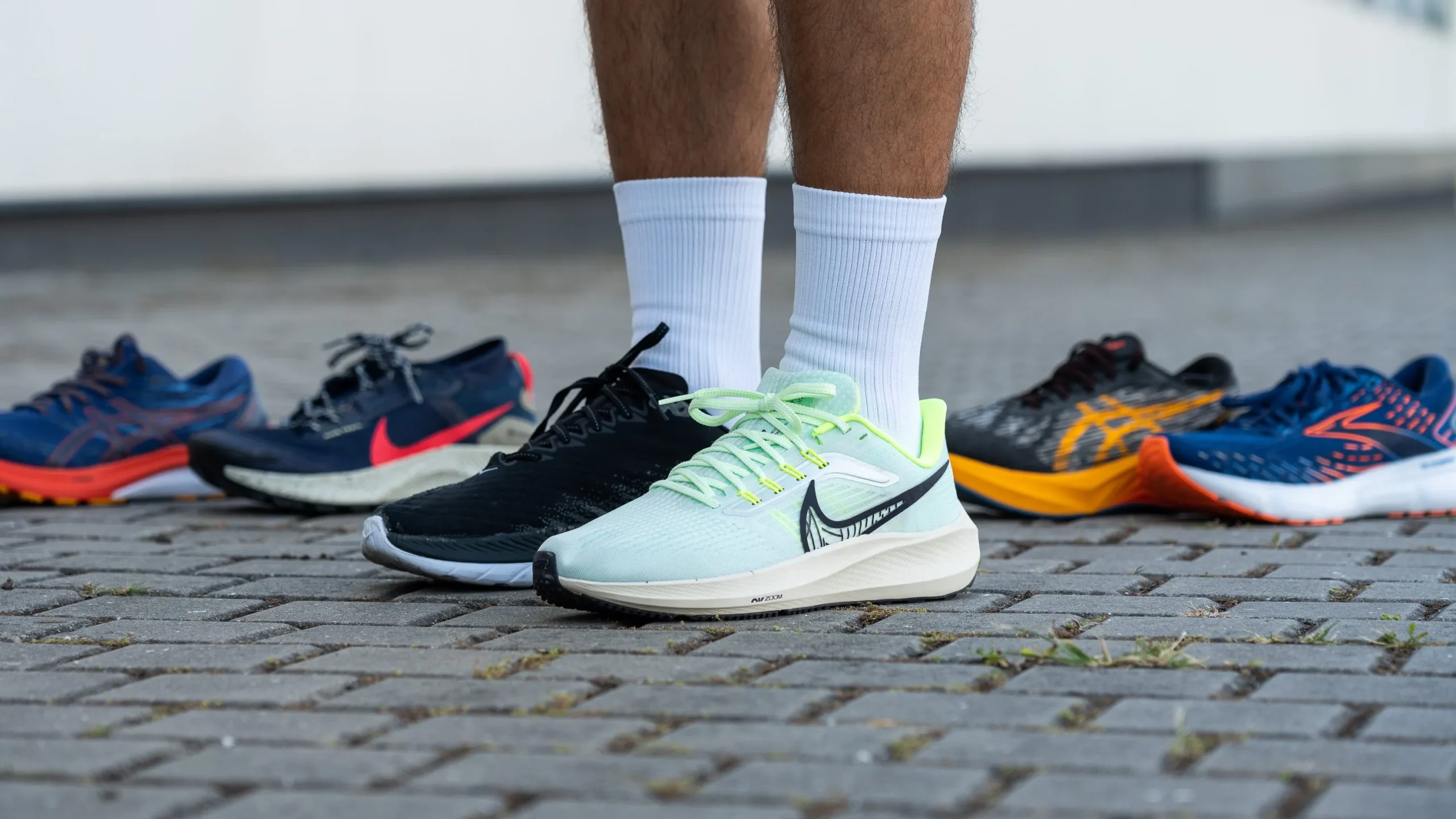
Starting a running journey is one of the best decisions you can make for your health and fitness. Whether your goal is weight loss, improved stamina, or simply staying active, running offers long-term benefits for both physical and mental well-being.
However, one of the most common mistakes beginners make is choosing the wrong shoes.
Running in uncomfortable or poorly designed footwear can lead to pain, injuries, and frustration. Many new runners quit early not because running is difficult, but because their shoes are not suitable for their needs.
In 2025, running shoe technology has improved significantly. Modern shoes are designed with better cushioning, lightweight materials, and enhanced support systems that help beginners run comfortably and safely.
This guide will help you understand how to choose the best running shoes for beginners and what features matter most when starting your running journey.
Why Beginners Need Proper Running Shoes
Running places repeated stress on your feet, knees, and joints. Each step creates impact forces that travel through your body.
Without proper support, this stress can lead to discomfort or injuries such as:
- Foot pain
- Knee pain
- Shin splints
- Blisters
- Muscle fatigue
Good running shoes absorb shock, stabilize your feet, and provide comfort during movement.
For beginners, this support is especially important because the body is still adapting to the demands of running.
Key Features to Look for in Beginner Running Shoes
Choosing the right running shoe is not just about style or brand. It is about function and comfort.
Cushioning
Cushioning helps absorb impact and reduce stress on your joints.
Beginners should look for shoes with moderate to high cushioning because they provide extra comfort during early training sessions.
This is particularly helpful for runners who are overweight or running on hard surfaces such as roads.
Support and Stability
Support keeps your feet aligned during movement.
If your feet roll inward or outward while running, you may need stability features in your shoes.
Proper support helps prevent injuries and improves running efficiency.
Lightweight Design
Heavy shoes can make running more tiring.
Lightweight shoes allow smoother movement and reduce fatigue, making them ideal for beginners who are building endurance.
Modern running shoes use advanced materials that provide strength without adding weight.
Breathability
Running causes your feet to sweat.
Shoes made with breathable materials allow air circulation, keeping your feet cool and comfortable.
This reduces the risk of blisters and discomfort during longer runs.
Types of Running Shoes for Beginners
Not all running shoes are the same.
Understanding different types helps you choose the right one for your needs.
Neutral Running Shoes
Neutral shoes are designed for runners with normal foot movement.
They provide cushioning without additional stability features.
These shoes are suitable for most beginners.
Stability Running Shoes
Stability shoes provide extra support for runners whose feet roll inward during running.
They help maintain proper alignment and reduce strain on joints.
Beginners with flat feet often benefit from stability shoes.
Trail Running Shoes
Trail shoes are designed for running on uneven surfaces such as dirt paths or rocky terrain.
They provide better grip and protection compared to road running shoes.
These shoes are ideal for outdoor runners who prefer natural trails.
How to Choose the Right Size
Wearing the correct shoe size is essential for comfort and performance.
Shoes that are too tight can cause pain and blisters. Shoes that are too loose can lead to instability and injuries.
Follow these simple tips:
- Measure your feet in the evening
- Leave space for your toes
- Wear running socks when trying shoes
- Walk or jog briefly before purchasing
Taking time to choose the right size can prevent many common running problems.
Common Mistakes Beginners Make When Buying Running Shoes
Many new runners make decisions based on appearance rather than functionality.
One of the most frequent mistakes is buying shoes that look good but do not fit properly.
Another mistake is using casual shoes for running.
Casual footwear does not provide the support and cushioning needed for running activities.
Some beginners also continue using old shoes for too long.
Over time, the cushioning in running shoes wears out, reducing comfort and increasing injury risk.
How Long Running Shoes Typically Last
Running shoes do not last forever.
Most running shoes need replacement after approximately:
500 to 800 kilometers of running
Signs that your shoes need replacement include:
- Reduced cushioning
- Visible wear on the sole
- Foot pain after running
- Uneven shoe shape
Replacing shoes at the right time helps maintain comfort and prevent injuries.
Benefits of Choosing the Right Running Shoes
The right running shoes can make a significant difference in your experience.
They improve comfort, reduce fatigue, and increase confidence.
When your shoes fit well and support your movement, running becomes more enjoyable.
This encourages consistency, which is the key to achieving fitness goals.
Beginner Running Tips for 2025
Starting slowly is one of the most important principles for new runners.
Avoid pushing your body too hard in the beginning.
Instead, focus on building endurance gradually.
Consistency matters more than speed.
Regular short runs are more effective than occasional long runs.
Hydration, stretching, and proper footwear also play important roles in maintaining performance and preventing injuries.
Final Thoughts
Choosing the best running shoes for beginners is one of the most important steps in starting your fitness journey.
Comfort, support, and durability should always be your top priorities.
In 2025, running shoe technology offers better options than ever before, making it easier to find footwear that matches your needs.
Investing in the right shoes is not just about performance.
It is about protecting your health and enjoying your running experience.
FAQs
What type of running shoe is best for beginners?
Neutral running shoes with good cushioning are usually the best choice for beginners.
How much should beginners spend on running shoes?
Quality running shoes typically range from moderate to premium prices depending on features.
Can beginners use gym shoes for running?
Gym shoes are not ideal for running because they lack proper cushioning and support.
How often should running shoes be replaced?
Most running shoes should be replaced after 500–800 kilometers of use.
Do expensive running shoes perform better?
Not always. Comfort and fit are more important than price.