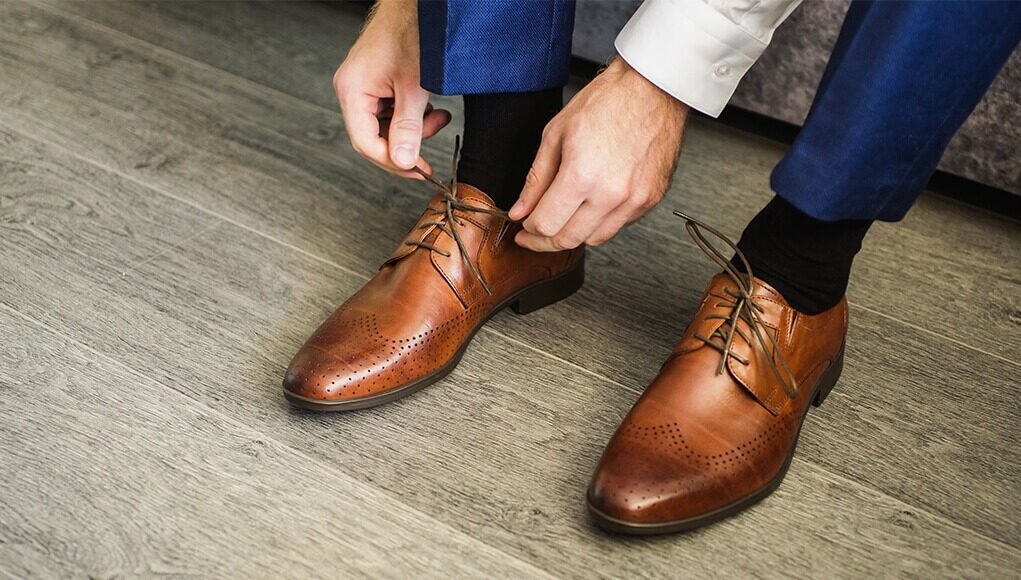
First Impressions Often Start From the Ground Up
In professional environments, appearance communicates confidence before you even speak. Clothing matters, but footwear often makes the strongest impression.
Formal shoes are more than just part of a dress code. They represent professionalism, discipline, and attention to detail. Whether you are attending an interview, working in an office, or participating in a formal event, the right pair of shoes helps you feel prepared and confident.
In 2025, men’s formal footwear combines traditional style with modern comfort. New materials and improved design techniques have made formal shoes lighter, more flexible, and more durable than ever before.
Choosing the right formal shoes is not simply about fashion—it is about comfort, performance, and long-term value.
Why Formal Shoes Still Matter in Modern Workplaces
Even as workplaces become more relaxed, formal shoes continue to play an important role.
Professional settings require footwear that reflects reliability and professionalism. Formal shoes also support posture and provide stability during long working hours.
Many professionals spend extended periods standing or walking throughout the day. Wearing supportive footwear helps reduce fatigue and improves productivity.
If your daily routine involves moving frequently, selecting comfortable shoes is essential. You may also benefit from reading our guide on how to choose comfortable shoes, which explains how support and cushioning affect long-term comfort.
Types of Formal Shoes Every Man Should Know
Understanding different styles helps you select footwear suitable for specific occasions.
Oxford Shoes
Oxford shoes are considered the most classic formal style.
They feature a closed-lacing system and a sleek design, making them ideal for business meetings and formal events.
These shoes are commonly worn with suits and professional attire.
Derby Shoes
Derby shoes are slightly less formal than Oxfords.
They provide more flexibility and comfort, making them suitable for daily office wear.
Many professionals prefer Derby shoes because they balance style and practicality.
Loafers
Loafers offer a more relaxed yet polished appearance.
They are easy to wear and comfortable for long working hours.
Loafers are often chosen for business-casual environments.
Monk Strap Shoes
Monk strap shoes feature a buckle instead of laces.
They provide a distinctive look that combines elegance and modern style.
These shoes are popular among professionals who want to stand out while maintaining a formal appearance.
Key Features to Look for in Formal Shoes
Selecting the right formal shoe involves more than choosing a style.
Certain features determine comfort and durability.
Quality Material
Leather remains the most popular material for formal shoes.
It provides durability, flexibility, and a professional appearance.
High-quality leather also adapts to the shape of your foot over time.
Proper Cushioning
Comfortable cushioning reduces pressure on your feet during long working hours.
Modern formal shoes often include padded insoles that improve support.
This feature becomes especially important for professionals who spend most of their day standing.
Strong Sole Construction
The sole determines how well the shoe handles daily use.
Durable soles improve grip and increase longevity.
They also provide stability on different surfaces.
Breathability
Breathable materials help prevent moisture buildup.
This keeps your feet comfortable throughout the day.
Breathability is particularly important in warm climates or busy work environments.
Formal Shoes and Long Working Hours
Comfort becomes essential when you wear formal shoes for extended periods.
Poor footwear can lead to fatigue, back pain, and reduced concentration.
Many professionals incorporate stretching exercises into their daily routine to relieve tension and improve circulation. Practices such as yoga help maintain flexibility and support posture during long workdays.
You can learn more about maintaining body balance and reducing fatigue through daily yoga and posture improvement routines available at
YogaSniff, a resource focused on wellness and movement techniques.
Combining comfortable footwear with proper stretching habits improves overall work performance.
Choosing the Right Shoes for Business Travel
Business professionals often travel frequently, attending meetings in different cities or countries.
Travel requires footwear that is both comfortable and durable.
Long walks through airports, conferences, and unfamiliar environments place extra stress on your feet.
This is similar to how travelers participating in adventure activities rely on specialized gear to maintain comfort and safety. Understanding how equipment supports performance in travel environments can provide useful insights.
You can explore practical examples of travel preparation and equipment selection through guides on adventure travel safety and preparation at
ScoobaDiveGuide, which highlights the importance of reliable gear during demanding journeys.
These principles apply equally to professional travel and daily commuting.
How Proper Footwear Improves Confidence
Confidence is closely connected to comfort.
When your shoes fit well and support your movement, you feel more relaxed and focused.
This confidence becomes visible in your posture and communication.
Professionals in high-performance environments often emphasize preparation and reliability. In fields such as adventure sports, proper equipment ensures safety and confidence during challenging situations.
You can learn how preparation and equipment influence performance by exploring resources on safety gear and readiness in high-risk activities at
SkydiveGuides, which demonstrates the importance of dependable equipment.
The same principle applies to professional settings—reliable footwear supports confidence and performance.
Signs It Is Time to Replace Your Formal Shoes
Formal shoes gradually lose their structure and support.
Replacing worn-out shoes helps maintain comfort and professional appearance.
Common signs include:
- Visible creases or cracks
- Reduced cushioning
- Slippery soles
- Foot discomfort
- Uneven wear
Most formal shoes last between 1 to 3 years, depending on usage and maintenance.
Tips for Maintaining Formal Shoes
Proper care extends the life of your footwear.
Simple habits can preserve both appearance and comfort.
Clean shoes regularly.
Use shoe polish to protect leather.
Store shoes in a dry place.
Rotate between pairs to reduce wear.
These steps help maintain durability and professional appearance.
Final Thoughts
Formal shoes remain an essential part of a professional wardrobe in 2025.
They combine style, comfort, and functionality to support daily work routines.
Choosing the right pair improves posture, reduces fatigue, and enhances confidence.
Whether you are attending meetings, traveling for business, or working in an office, investing in quality formal shoes is a practical decision.
The right footwear supports your performance—every step of the way.
FAQs
What type of formal shoe is best for office work?
Derby shoes and loafers are popular choices because they balance comfort and style.
Are leather shoes better than synthetic shoes?
Leather shoes are generally more durable and comfortable.
How long should formal shoes last?
Most formal shoes last between one and three years with proper care.
Can formal shoes be worn daily?
Yes, but rotating between pairs helps extend their lifespan.
Do expensive formal shoes last longer?
Higher-quality materials often improve durability, but proper care is equally important.