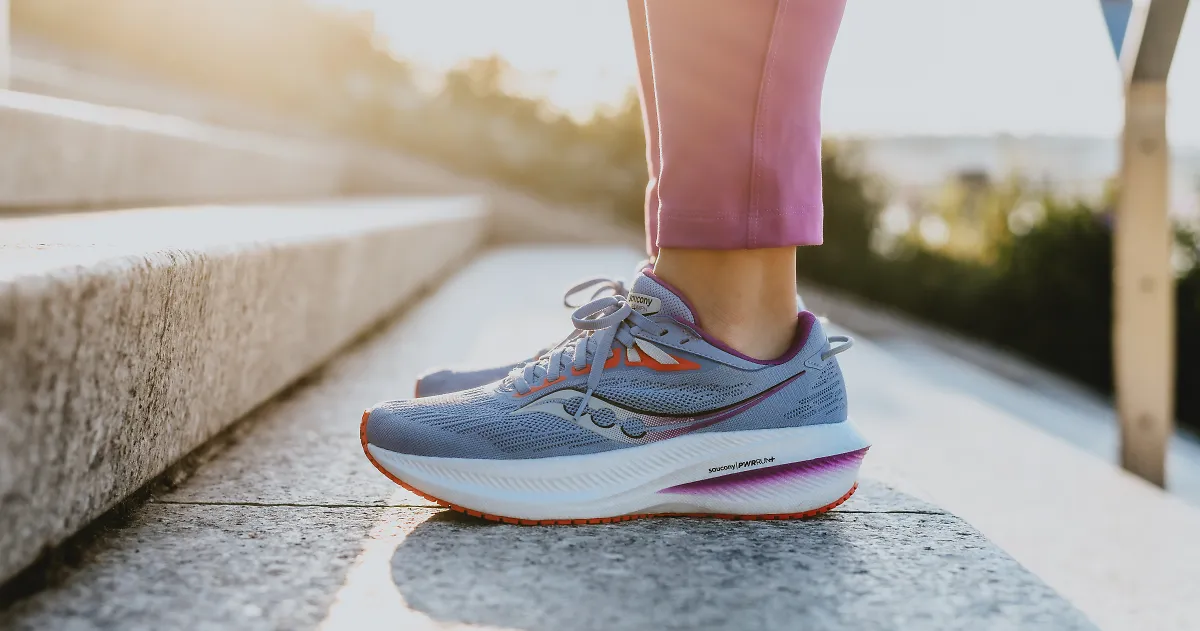
Standing All Day Is Harder Than It Looks
If your job requires standing for long hours, you already know how exhausting it can be.
By the end of the day, your feet may feel sore. Your legs may feel heavy. Sometimes even your back starts to ache.
This is common for many professions:
- Nurses and healthcare workers
- Teachers and educators
- Retail employees
- Restaurant staff
- Factory workers
- Salon professionals
Standing for hours puts continuous pressure on your feet. Without proper support, this pressure can lead to fatigue, discomfort, and long-term health issues.
In 2025, footwear technology has improved significantly, making it easier to find shoes designed specifically for people who stand all day.
Why Regular Shoes Fail During Long Standing Hours
Most everyday shoes are designed for short-term comfort.
They may feel fine for a few hours but become uncomfortable during extended use.
The main reason is lack of support.
Shoes not designed for prolonged standing often lack:
- Proper cushioning
- Arch support
- Shock absorption
- Stability
- Breathability
Over time, this leads to discomfort and reduced productivity.
If your daily routine involves constant movement, you may also benefit from reviewing our internal guide on best walking shoes for women, which explains how supportive footwear improves endurance.
A Typical Day for Someone Who Stands All Day
Consider a nurse working in a hospital.
She starts her shift early in the morning. Throughout the day, she walks between patient rooms, stands during procedures, and responds to emergencies.
Her feet rarely get a chance to rest.
By the end of the shift, her shoes determine whether she feels energized or exhausted.
This example applies to many professions.
The right footwear can make the difference between comfort and fatigue.
Features That Truly Matter in All-Day Standing Shoes
Instead of focusing on brand names, focus on functional features.
These features determine whether shoes can support long hours of standing.
Cushioning That Reduces Pressure
Cushioned soles absorb body weight and reduce strain on joints.
This feature becomes essential for professionals who remain on their feet throughout the day.
Arch Support That Maintains Balance
Arch support distributes weight evenly across the foot.
Without it, muscles become tired quickly.
Balanced support improves stability and reduces discomfort.
Slip-Resistant Soles
Many workplaces include smooth or wet surfaces.
Slip-resistant soles improve safety and confidence.
This feature is especially important in hospitals, kitchens, and retail environments.
Breathable Materials
Standing for long hours generates heat.
Breathable shoes allow airflow and prevent moisture buildup.
This keeps feet comfortable during extended shifts.
Why Foot Health Affects Overall Productivity
Comfortable footwear does more than protect your feet.
It improves focus.
It reduces fatigue.
It increases efficiency.
Professionals in demanding environments understand the importance of preparation and equipment.
For example, individuals participating in high-intensity activities rely on proper gear to maintain safety and performance.
You can explore how preparation improves endurance by reviewing safety and readiness practices in skydiving activities available at SkydiveGuides, where reliable equipment supports performance under pressure.
The same principle applies to everyday work environments.
Standing All Day Requires More Than Just Good Shoes
Footwear is only one part of the solution.
Physical flexibility also plays an important role.
Muscles that remain tense for long periods become fatigued quickly.
Regular stretching helps maintain circulation and reduce stiffness.
Many professionals include short wellness routines in their daily schedule. Practices such as yoga improve posture and reduce stress.
You can discover helpful techniques through daily yoga and relaxation exercises available at YogaSniff, which focuses on flexibility and recovery.
Combining supportive footwear with regular movement improves long-term comfort.
Long Shifts, Travel, and Unpredictable Environments
Some jobs involve not only standing but also moving between locations.
Travel, commuting, and busy work environments place additional stress on your feet.
Reliable footwear becomes essential in these situations.
Travelers participating in outdoor activities understand the importance of selecting dependable equipment.
You can see how preparation improves safety by reviewing scuba travel and equipment planning guides available at ScoobaDiveGuide, which emphasize the importance of reliable gear in challenging conditions.
This same preparation mindset applies to choosing work shoes.
Warning Signs Your Shoes Are Not Supporting You
Your body usually signals when footwear is not suitable.
Pay attention to these signs:
Persistent foot pain
Heel discomfort
Swelling after work
Back or knee pain
Reduced energy levels
If these symptoms occur regularly, replacing your shoes may improve your daily comfort.
A Practical Rule for Choosing Work Shoes in 2025
Before purchasing shoes, ask yourself one question:
Can I comfortably wear these shoes for eight hours?
If the answer is no, the shoes are not suitable for long shifts.
This simple rule prevents most mistakes.
Final Thoughts
Standing all day is physically demanding, but the right footwear makes it manageable.
Supportive shoes reduce fatigue, improve posture, and protect your long-term health.
In 2025, modern footwear design focuses on comfort, safety, and durability for professionals who spend long hours on their feet.
Investing in reliable shoes is not just about comfort.
It is about maintaining energy, productivity, and well-being throughout your day.
FAQs
What type of shoes are best for standing all day?
Shoes with strong cushioning, arch support, and slip-resistant soles are ideal.
How long should work shoes last?
Most work shoes last between 6 and 12 months with daily use.
Are running shoes good for standing all day?
Yes, if they provide adequate support and cushioning.
Can shoes reduce back pain?
Supportive footwear can help reduce strain on muscles and joints.
Should I replace shoes if my feet hurt?
Yes, persistent discomfort often indicates worn-out footwear.