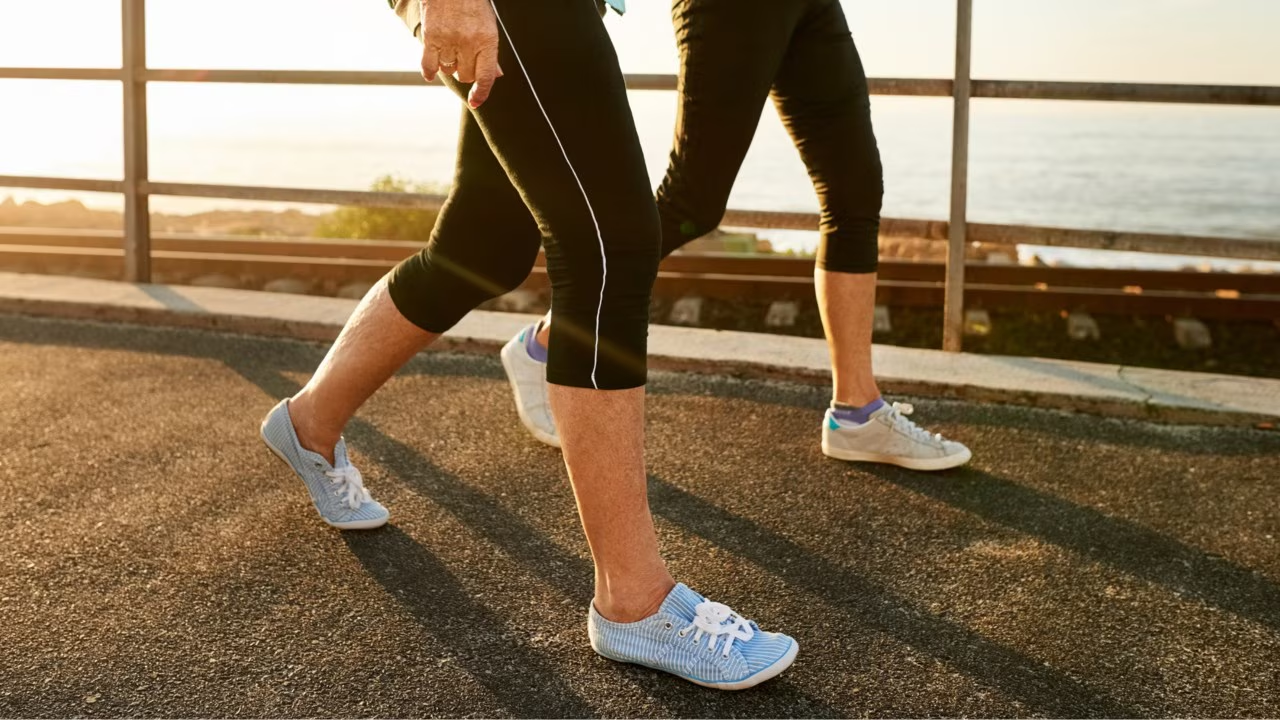
Walking Is the Most Common Activity — Yet the Most Ignored When Choosing Shoes
Most women do not run marathons or attend intense workouts every day.
But they walk.
They walk to work.
They walk in markets.
They walk in offices.
They walk while traveling.
Walking is the most repeated physical activity in daily life. Because it happens so often, even small discomfort in shoes can turn into serious fatigue.
That is why walking shoes deserve special attention.
In 2025, footwear brands are focusing on everyday mobility. Walking shoes are designed to support long hours of movement while keeping feet relaxed and stable.
The Real Problem: Regular Shoes Are Not Designed for Walking
Many people use casual shoes for walking long distances.
The issue is not appearance — it is support.
Regular shoes often lack:
- Proper cushioning
- Arch support
- Shock absorption
- Flexibility
- Long-term comfort
Over time, this can lead to foot pain, knee strain, and reduced energy.
If you spend several hours on your feet, the right walking shoes can make a noticeable difference.
You may also find it helpful to review our internal guide on best comfortable shoes for women, which explains how daily footwear affects long-term comfort.
What Makes a Shoe Suitable for Walking?
Instead of focusing on brands, focus on features.
These features determine whether a shoe supports walking effectively.
Cushioning That Absorbs Impact
Every step creates pressure.
Cushioned soles reduce stress on joints and improve comfort during long walks.
This is especially important for women who walk on hard surfaces such as roads or pavements.
Arch Support That Maintains Balance
Arch support helps distribute body weight evenly.
Without proper support, feet become tired quickly.
Balanced support improves stability and reduces strain.
Lightweight Design That Reduces Fatigue
Heavy shoes make walking more difficult.
Lightweight footwear allows smoother movement and conserves energy.
This feature becomes essential during travel or long working hours.
Breathability That Keeps Feet Cool
Walking generates heat.
Breathable materials allow airflow and prevent discomfort.
Cool feet stay comfortable longer.
When Do You Need Dedicated Walking Shoes?
Not everyone requires specialized walking shoes.
But certain situations make them necessary.
You should consider walking shoes if you:
Walk more than 5,000 steps daily
Stand for long hours
Travel frequently
Experience foot fatigue
Commute on foot regularly
These routines place continuous pressure on your feet.
Supportive footwear reduces that pressure.
Walking Shoes and Daily Productivity
Comfort directly influences productivity.
When your feet feel supported, your energy lasts longer.
This is why professionals in physically demanding environments rely on dependable equipment.
For example, individuals participating in adventure sports prepare carefully before activity. Proper gear ensures safety and endurance.
You can see how preparation improves performance by exploring safety and readiness practices in skydiving adventures on SkydiveGuides, where equipment selection plays a critical role.
The same principle applies to everyday walking.
Walking Is Easier When Your Body Is Flexible
Footwear supports movement, but flexibility supports endurance.
Muscles that are stiff become tired quickly.
Simple stretching exercises improve circulation and reduce fatigue.
Many women include short wellness routines in their daily schedule. Yoga is particularly effective for improving posture and balance.
You can explore practical techniques through guided yoga and relaxation exercises available at YogaSniff, which focuses on movement and recovery.
Combining comfortable shoes with regular stretching creates long-term comfort.
Travel Is the True Test of Walking Shoes
You may not notice shoe comfort during short walks.
But travel reveals everything.
Airports, tourist locations, and shopping areas require continuous walking. Shoes that feel fine at home may become uncomfortable during travel.
Travelers participating in outdoor experiences often depend on reliable gear to maintain comfort and safety.
You can understand how preparation improves travel experiences by reviewing scuba travel preparation and equipment planning guides available at ScoobaDiveGuide, which highlight the importance of choosing dependable equipment.
Reliable walking shoes serve the same purpose.
Warning Signs Your Current Shoes Are Not Suitable for Walking
Pay attention to your body.
It usually signals when footwear is not working properly.
Common signs include:
Foot soreness after walking
Heel pain in the morning
Uneven wear on shoe soles
Frequent fatigue
Reduced walking comfort
If these symptoms appear regularly, replacing your shoes may solve the problem.
A Practical Checklist Before Buying Walking Shoes
Use this simple checklist when selecting footwear.
Walk inside the store before purchasing.
Check cushioning by pressing the sole.
Ensure proper toe space.
Choose breathable materials.
Select lightweight designs.
These steps help prevent discomfort.
How Long Should Walking Shoes Last?
Walking shoes gradually lose cushioning.
Most walking shoes last between:
500 and 800 kilometers of use
Replacing shoes at the right time maintains comfort and prevents injuries.
Waiting too long increases the risk of foot problems.
Final Thoughts
Walking is a daily activity that deserves proper support.
Comfortable walking shoes reduce fatigue, improve posture, and enhance mobility.
In 2025, footwear technology makes it easier to find shoes designed specifically for everyday movement.
Investing in the right walking shoes is not about fashion.
It is about protecting your energy and maintaining comfort throughout the day.
FAQs
What type of shoes are best for walking all day?
Shoes with strong cushioning, arch support, and lightweight design are best.
Are running shoes good for walking?
Yes, but dedicated walking shoes usually provide better comfort for daily use.
How tight should walking shoes be?
They should fit securely without pressure.
Can walking shoes prevent foot pain?
Yes, supportive footwear reduces strain on muscles and joints.
How often should walking shoes be replaced?
Most walking shoes should be replaced after 500–800 kilometers of use.