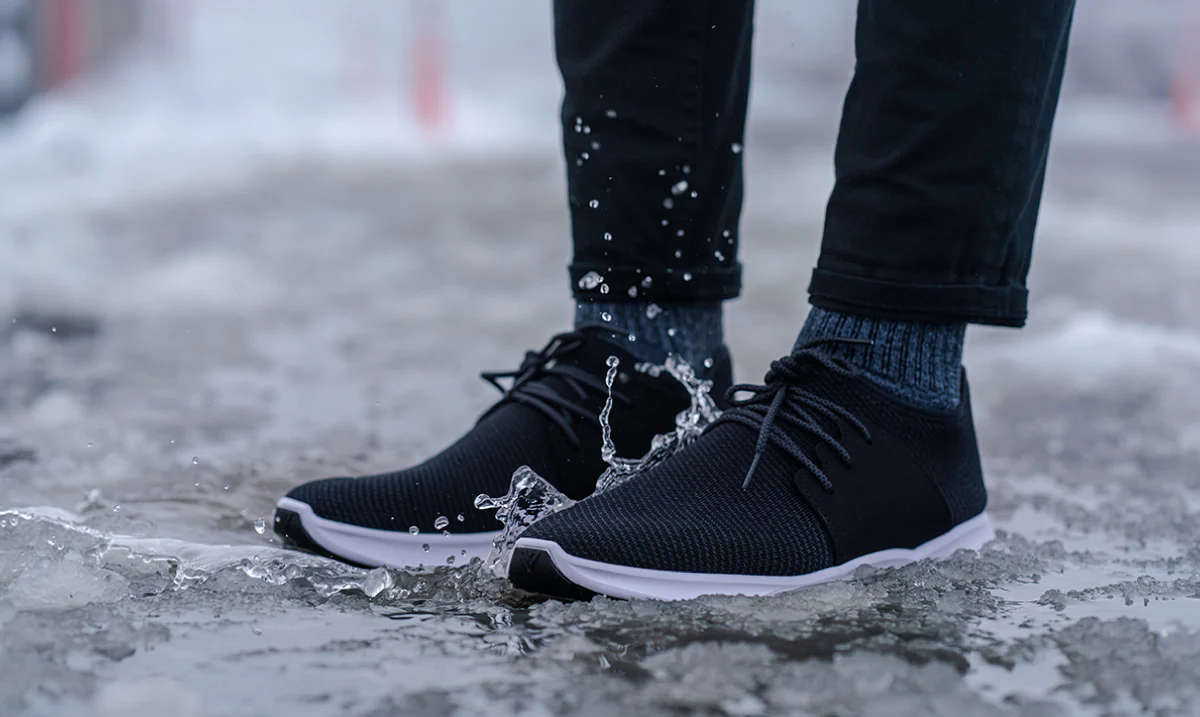
Rain Is Not the Problem — Unprotected Shoes Are
Most people blame the weather when their shoes get damaged.
But the real issue is lack of preparation.
Rain, mud, and moisture are part of everyday life, especially during travel, commuting, or seasonal changes. Without proper protection, water can weaken materials, cause odor, and reduce comfort.
In 2025, waterproofing shoes has become an essential part of footwear care. It helps maintain durability, prevent damage, and ensure comfort in unpredictable conditions.
Waterproofing is not complicated.
It is simply a preventive habit.
What Happens When Shoes Are Not Waterproofed
Water exposure affects shoes in several ways.
Moisture softens materials.
Dirt sticks more easily.
Odor develops faster.
Shape changes over time.
Comfort decreases.
These problems often appear gradually, making them easy to ignore until the damage becomes visible.
If you want to extend the life of your footwear, you may also find it helpful to review our internal guide on how to make shoes last longer, which explains daily habits that protect materials.
Protection begins before damage occurs.
When Waterproofing Becomes Necessary
Not everyone needs waterproof shoes every day.
But certain situations make waterproofing essential.
You should consider waterproofing your shoes if you:
Travel frequently during rainy seasons
Walk or commute outdoors regularly
Live in areas with high humidity
Participate in outdoor activities
Use leather or fabric footwear daily
These conditions increase exposure to moisture.
Preparation reduces risk.
The Most Effective Ways to Waterproof Shoes
Waterproofing does not require professional services.
Simple methods provide reliable protection.
Method 1 — Use Waterproof Spray
Waterproof spray creates a protective layer on shoe surfaces.
It prevents water from soaking into materials.
This method works well for leather, fabric, and synthetic shoes.
Apply the spray evenly.
Allow it to dry completely.
Repeat every few weeks.
Regular application maintains protection.
Method 2 — Apply Wax for Leather Shoes
Wax creates a moisture-resistant barrier.
It also improves durability and shine.
This method is particularly effective for leather footwear.
Apply wax gently.
Polish the surface evenly.
Allow the shoes to dry naturally.
Wax protects both appearance and comfort.
Method 3 — Use Protective Covers During Heavy Rain
Sometimes prevention is easier than treatment.
Protective covers shield shoes from direct water exposure.
They are especially useful during travel or outdoor activities.
Temporary protection prevents long-term damage.
Waterproofing and Daily Comfort
Dry shoes are comfortable shoes.
Moisture increases friction and causes irritation.
Waterproofing prevents discomfort and protects foot health.
Comfort also depends on proper storage.
Allowing shoes to dry before storing them reduces damage.
If you want to maintain shoe condition, you may also benefit from reviewing our internal guide on how to store shoes properly, which explains how ventilation protects materials.
Storage and waterproofing work together.
Professionals Prepare Before Facing Harsh Conditions
People working in demanding environments understand the value of preparation.
They do not wait for problems to appear.
They protect their equipment in advance.
For example, individuals participating in high-adrenaline activities carefully prepare their gear to ensure safety.
You can explore how preparation improves reliability by reviewing weather readiness and equipment protection practices in skydiving available at SkydiveGuides, where protection from environmental conditions is essential.
The same mindset applies to footwear.
Preparation prevents damage.
Waterproofing and Travel — A Practical Necessity
Travel often involves unpredictable weather.
Rainy streets, muddy paths, and crowded environments expose shoes to moisture.
Waterproof footwear reduces inconvenience during travel.
Outdoor enthusiasts understand the importance of protecting equipment before entering challenging environments.
You can see how preparation improves safety by reviewing scuba gear protection and travel preparation guides available at ScoobaDiveGuide, which emphasize preventive care.
Reliable footwear supports comfortable travel.
Foot Health and Moisture Protection
Wet shoes create an environment where bacteria grow quickly.
This can lead to odor and discomfort.
Maintaining dry footwear protects hygiene.
Healthy movement also supports foot comfort.
Many people include stretching routines in their daily schedule to maintain flexibility.
You can discover helpful techniques through guided yoga and relaxation routines available at YogaSniff, which focus on improving circulation and reducing tension.
Dry shoes and healthy movement work together.
Signs Your Shoes Need Waterproofing
Your shoes often show clear warning signs.
Water stains on the surface
Persistent moisture after rain
Loss of shape
Unpleasant odor
Reduced comfort
Addressing these signs early prevents long-term damage.
A Simple Seasonal Routine for Waterproofing
You do not need to waterproof shoes daily.
A seasonal routine is enough.
Before the rainy season — apply waterproof protection.
During the season — inspect shoes regularly.
After exposure — allow shoes to dry completely.
This routine maintains durability.
Final Thoughts
Waterproofing shoes in 2025 is about preparation, not repair.
Protecting footwear from moisture improves durability, comfort, and hygiene.
Simple preventive habits can save money and reduce inconvenience.
Rain is unavoidable.
Damage is not.
Taking care of your shoes ensures they support you in every season.
FAQs
Can all shoes be waterproofed?
Most leather and fabric shoes can be protected using waterproof sprays or wax.
How often should shoes be waterproofed?
Every few weeks during rainy seasons is usually sufficient.
Does waterproofing affect comfort?
No, it improves comfort by keeping shoes dry.
Can waterproofing prevent odor?
Yes, reducing moisture helps prevent odor.
Is waterproofing necessary for everyday shoes?
It is recommended if you frequently encounter rain or moisture.