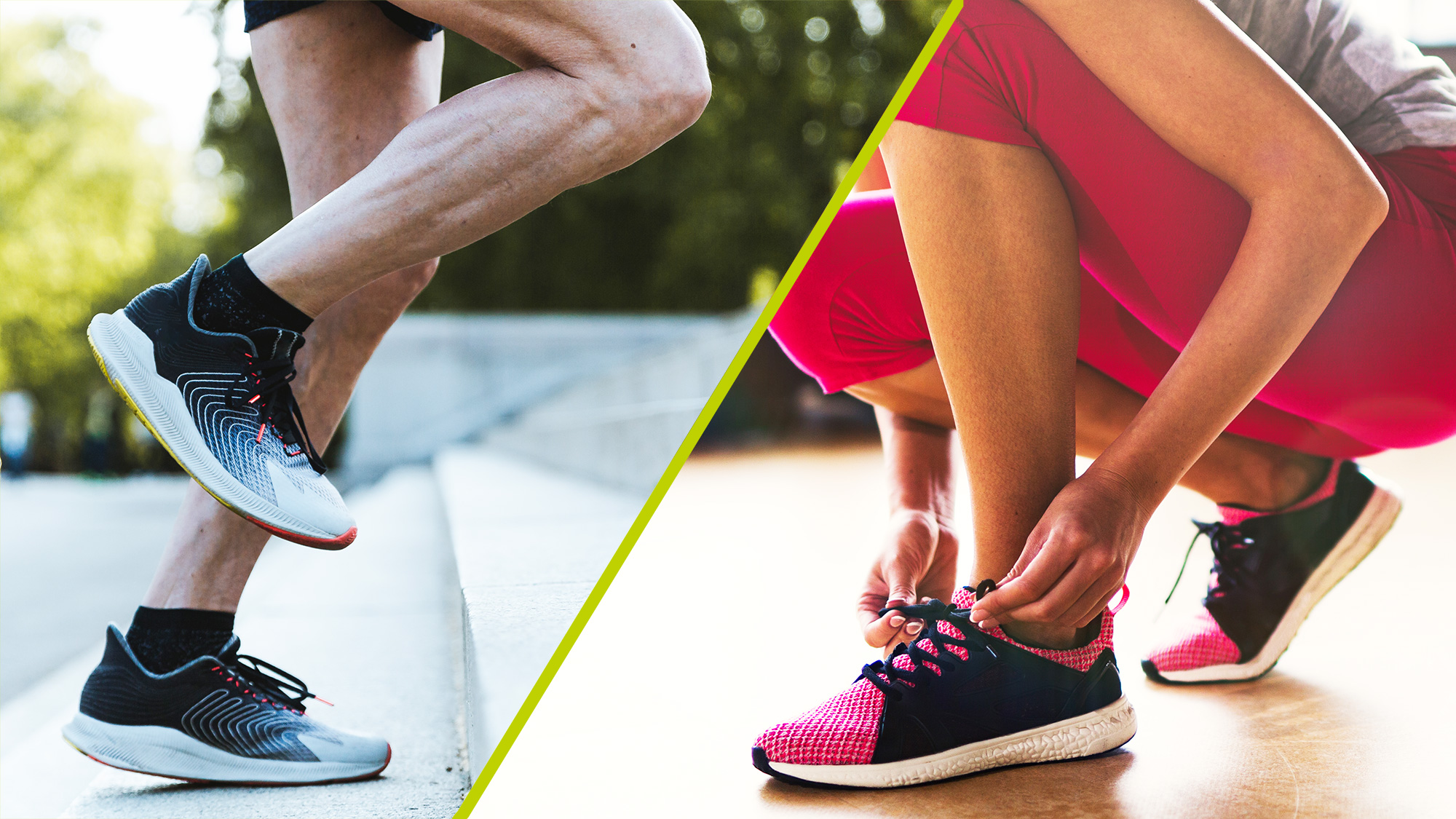
Why This Comparison Matters More Than You Think
Many people believe that all sports shoes are the same. If they look sporty and feel comfortable, they assume they will work for any activity.
But in reality, different workouts require different types of support.
Running and training place unique demands on your body. Running involves repetitive forward motion, while training includes side movements, jumps, and weightlifting. Wearing the wrong type of shoe can reduce performance and increase the risk of injury.
Understanding the difference between running shoes and training shoes helps you choose footwear that matches your activity level and fitness goals.
If you are just beginning your fitness journey, this knowledge can save you money and prevent discomfort in the long run.
What Are Running Shoes Designed For?
Running shoes are specifically engineered for forward movement.
Their primary purpose is to absorb impact and provide cushioning during repeated steps. Each time your foot hits the ground while running, your body experiences significant force. Running shoes reduce that stress through shock absorption and flexible design.
They are best suited for:
- Jogging
- Long-distance running
- Treadmill workouts
- Outdoor running
If your main activity involves covering distance, running shoes are usually the best choice.
You can also explore our detailed guide on selecting beginner-friendly footwear in the article about best running shoes for beginners, which explains how cushioning and fit influence comfort during long runs.
What Are Training Shoes Designed For?
Training shoes are built for versatility.
Unlike running shoes, they support movement in multiple directions. This makes them suitable for gym workouts, strength training, and high-intensity exercises.
Training shoes focus on stability rather than cushioning.
They are ideal for:
- Weightlifting
- Gym workouts
- Circuit training
- Functional fitness
- Cross-training
The flat and stable base helps maintain balance during exercises that require controlled movement.
The Core Differences Between Running and Training Shoes
Understanding these differences can help you make better decisions when purchasing footwear.
Cushioning vs Stability
Running shoes prioritize cushioning to protect joints from impact.
Training shoes prioritize stability to support controlled movement.
If you run frequently, cushioning matters most. If you lift weights or perform gym exercises, stability becomes essential.
Movement Direction
Running shoes support forward motion.
Training shoes support multi-directional movement.
For example, during a gym workout, your body may move sideways, backward, or in quick bursts. Training shoes provide the grip and structure needed for these movements.
Sole Design
Running shoes usually have a curved sole that encourages forward momentum.
Training shoes have a flatter sole that improves balance.
This difference may seem small, but it significantly affects performance during workouts.
When Should You Choose Running Shoes?
Running shoes are the best choice when your activity involves consistent forward motion.
They are particularly useful for people who:
- Run regularly
- Train for races
- Walk long distances
- Use treadmills frequently
Proper footwear is especially important for endurance activities because it reduces fatigue and improves comfort.
Outdoor adventure activities also depend heavily on specialized footwear. For example, individuals participating in skydiving or other adventure sports rely on gear designed for safety and performance. You can learn more about the role of equipment in extreme sports here:
skydiveguides.com
This highlights how choosing the right gear can directly impact safety and performance.
When Should You Choose Training Shoes?
Training shoes are ideal for activities that require stability and flexibility.
They are commonly used for:
- Gym workouts
- Strength training
- Aerobics
- Cross-training
- Fitness classes
If your routine involves multiple exercises in one session, training shoes provide the support needed for different movements.
Flexibility and balance also play a major role in physical fitness. Practices such as yoga help strengthen muscles and improve posture, making them a valuable addition to any workout routine. You can explore more about flexibility and recovery techniques here:
yogasniff.com
Combining proper footwear with flexibility training can significantly improve overall performance.
Can You Use One Pair for Both Activities?
This is one of the most common questions.
The answer depends on your routine.
If you occasionally run short distances and perform light workouts, a versatile training shoe may be sufficient.
However, if you run regularly or train intensely, using specialized footwear is recommended.
Using the wrong shoes repeatedly can lead to discomfort or injury over time.
Investing in the correct type of shoe ensures better performance and long-term health.
How Environment Affects Your Shoe Choice
Your environment also influences the type of shoe you need.
Indoor workouts require stability and grip, while outdoor activities demand cushioning and durability.
For example, water-based sports and travel adventures require specialized equipment designed to handle different conditions. You can see how proper gear enhances safety in underwater activities here:
scoobadiveguide.com
These examples demonstrate how selecting the right equipment improves both safety and performance in various environments.
Signs You Are Using the Wrong Type of Shoe
Your body often gives clear signals when your footwear is not suitable.
Watch for these signs:
- Foot pain after workouts
- Lack of balance during exercises
- Excessive fatigue
- Blisters or discomfort
- Reduced performance
If you notice these symptoms, switching to the appropriate shoe type may solve the problem.
Tips for Choosing the Right Shoe in 2025
Modern footwear technology offers many options, but the basic principles remain the same.
Focus on comfort first.
Choose shoes that match your activity.
Replace worn-out shoes regularly.
Try shoes on before purchasing.
These simple steps can prevent many common problems and improve your workout experience.
Final Thoughts
Running shoes and training shoes may look similar, but they serve very different purposes.
Running shoes protect your joints during repetitive movement, while training shoes provide stability for controlled exercises.
Choosing the right type of footwear improves comfort, enhances performance, and reduces the risk of injury.
Whether you are running outdoors, lifting weights, or participating in fitness classes, your shoes should support your activity—not limit it.
Making informed decisions about footwear is one of the smartest ways to invest in your health.
FAQs
Can I use running shoes for weightlifting?
Running shoes are not ideal for heavy lifting because they provide less stability.
Are training shoes good for running?
Training shoes can handle short runs but are not designed for long-distance running.
How many pairs of workout shoes should I own?
Most active individuals benefit from having separate shoes for running and training.
Do beginners need specialized shoes?
Yes, proper footwear helps prevent injuries and improves comfort.
How long do sports shoes last?
Most sports shoes last between 6 and 12 months, depending on usage.