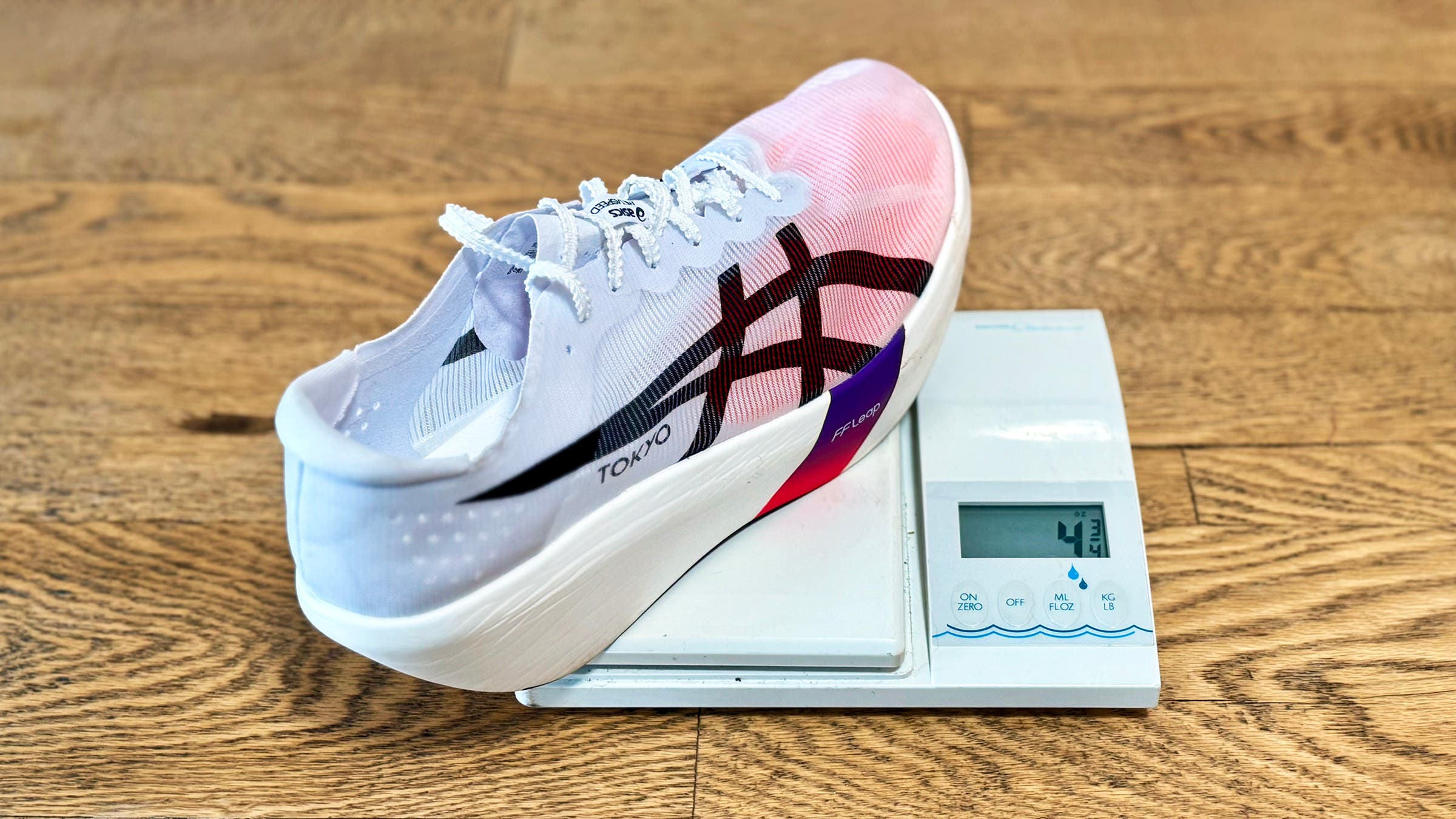
Why Lightweight Running Shoes Are Becoming More Popular
Over the past few years, runners have started paying closer attention to the weight of their footwear. In 2025, lightweight running shoes are among the most searched and preferred options for both beginners and experienced runners.
The reason is simple—lighter shoes reduce fatigue.
When your shoes weigh less, your legs use less energy with every step. Over long distances, this difference becomes noticeable. Runners often report improved speed, better comfort, and reduced strain when switching to lightweight footwear.
However, choosing lightweight shoes is not just about comfort. It is about balancing performance, support, and durability.
Understanding what makes a running shoe lightweight—and whether it suits your needs—is the first step toward making the right decision.
What Makes a Running Shoe Lightweight?
A lightweight running shoe is designed using advanced materials that reduce weight without compromising performance.
Manufacturers achieve this by using:
- Breathable mesh fabrics
- Flexible foam cushioning
- Minimalist design structures
- Lightweight rubber soles
These components help maintain comfort while reducing the overall weight of the shoe.
Lightweight footwear is especially beneficial for runners who prioritize speed and endurance. If you are new to running, you may also want to review our guide on best running shoes for beginners, which explains how cushioning and fit influence early training success.
Benefits of Lightweight Running Shoes
Lightweight running shoes provide several advantages that make them a popular choice in modern fitness routines.
Improved Speed and Efficiency
Lighter shoes require less effort to move.
This allows runners to maintain a steady pace and conserve energy during long runs.
Even a small reduction in shoe weight can improve running efficiency over time.
Reduced Muscle Fatigue
Heavy footwear can increase strain on your legs and joints.
Lightweight shoes help minimize fatigue, making them ideal for daily training sessions.
This is particularly important for runners who train frequently.
Better Comfort During Long Runs
Comfort is one of the most important factors in running performance.
Lightweight shoes allow natural movement and flexibility, reducing pressure on your feet.
This helps maintain comfort during extended workouts.
Who Should Use Lightweight Running Shoes?
Not every runner requires lightweight footwear.
However, certain individuals benefit significantly from using them.
Lightweight running shoes are ideal for:
- Beginner runners
- Long-distance runners
- Daily joggers
- Fitness enthusiasts
- Athletes focused on speed
If your routine includes regular running sessions, lightweight shoes can improve performance and comfort.
Key Features to Look for in Lightweight Running Shoes
Choosing the right lightweight running shoe involves more than checking the weight.
Several features determine how well the shoe performs.
Breathability
Running generates heat and sweat.
Shoes with breathable materials allow airflow, keeping your feet cool and comfortable.
This feature also reduces the risk of blisters and odor.
Cushioning
Even lightweight shoes must provide adequate cushioning.
Proper cushioning protects joints from impact and ensures smooth movement.
Balanced cushioning is essential for preventing injuries.
Flexibility
Flexible shoes allow natural foot movement.
This improves running efficiency and reduces stiffness during workouts.
Flexibility is especially important for runners who train regularly.
Durability
Lightweight shoes should still be durable.
High-quality materials ensure the shoe lasts longer and maintains performance over time.
Durability becomes particularly important for runners who train on outdoor surfaces.
Lightweight Shoes and Injury Prevention
Proper footwear plays a major role in preventing injuries.
Lightweight shoes reduce strain on muscles and joints, making them safer for regular use.
However, injury prevention also depends on preparation and physical conditioning.
For example, athletes participating in high-impact activities often rely on specialized equipment to protect their bodies. Understanding how safety gear supports performance in extreme sports can provide valuable insights into injury prevention. You can explore more about safety equipment in adventure sports through this guide on
skydive gear and preparation
This demonstrates how proper equipment—whether in running or adventure sports—helps reduce risk and improve performance.
The Role of Flexibility and Recovery in Running
Running performance depends not only on footwear but also on flexibility and recovery.
Stretching exercises improve mobility, reduce muscle stiffness, and enhance endurance.
Many runners incorporate yoga into their routine to strengthen muscles and maintain balance. Learning proper stretching techniques can significantly improve recovery after workouts.
You can discover effective yoga and flexibility practices for runners
Combining lightweight shoes with proper recovery habits creates a balanced and sustainable training routine.
Choosing the Right Shoes for Travel and Outdoor Running
Many runners enjoy exploring new environments, including beaches, parks, and travel destinations.
Different terrains require footwear that adapts to changing conditions.
For example, outdoor adventure activities such as water-based sports demand specialized equipment designed for safety and comfort.
You can learn how proper footwear and gear support performance in outdoor environments through this resource on
scoobadiveguide.com
Understanding how equipment adapts to different environments helps runners make smarter footwear choices.
Signs Your Running Shoes Are Too Heavy
Sometimes runners do not realize their shoes are slowing them down.
Here are common signs that your footwear may be too heavy:
- Quick fatigue during runs
- Difficulty maintaining speed
- Leg discomfort after workouts
- Reduced flexibility
- Increased effort while running
Switching to lightweight shoes often resolves these issues.
Tips for Buying Lightweight Running Shoes in 2025
Technology has improved significantly in recent years, making lightweight shoes more accessible than ever.
When shopping for new running shoes, keep these tips in mind:
Choose comfort over appearance.
Test shoes before purchasing.
Consider your running style.
Replace worn-out shoes regularly.
Following these steps helps ensure you select footwear that supports your performance and health.
Final Thoughts
Lightweight running shoes have become an essential part of modern fitness routines.
They improve speed, reduce fatigue, and enhance comfort during workouts.
In 2025, advancements in footwear technology have made it easier to find lightweight options that provide both support and durability.
Choosing the right running shoes is not just about performance—it is about protecting your body and enjoying your running journey.
The right pair of shoes can transform your experience and help you stay consistent with your fitness goals.
FAQs
Are lightweight running shoes good for beginners?
Yes, lightweight shoes are comfortable and easy to use for new runners.
Do lightweight shoes reduce injuries?
They can help reduce strain and fatigue, which lowers injury risk.
How much should lightweight running shoes weigh?
Most lightweight running shoes weigh between 200 and 300 grams.
Are lightweight shoes durable?
Yes, high-quality lightweight shoes are designed to last.
Can lightweight shoes be used daily?
Yes, they are suitable for regular running and training.