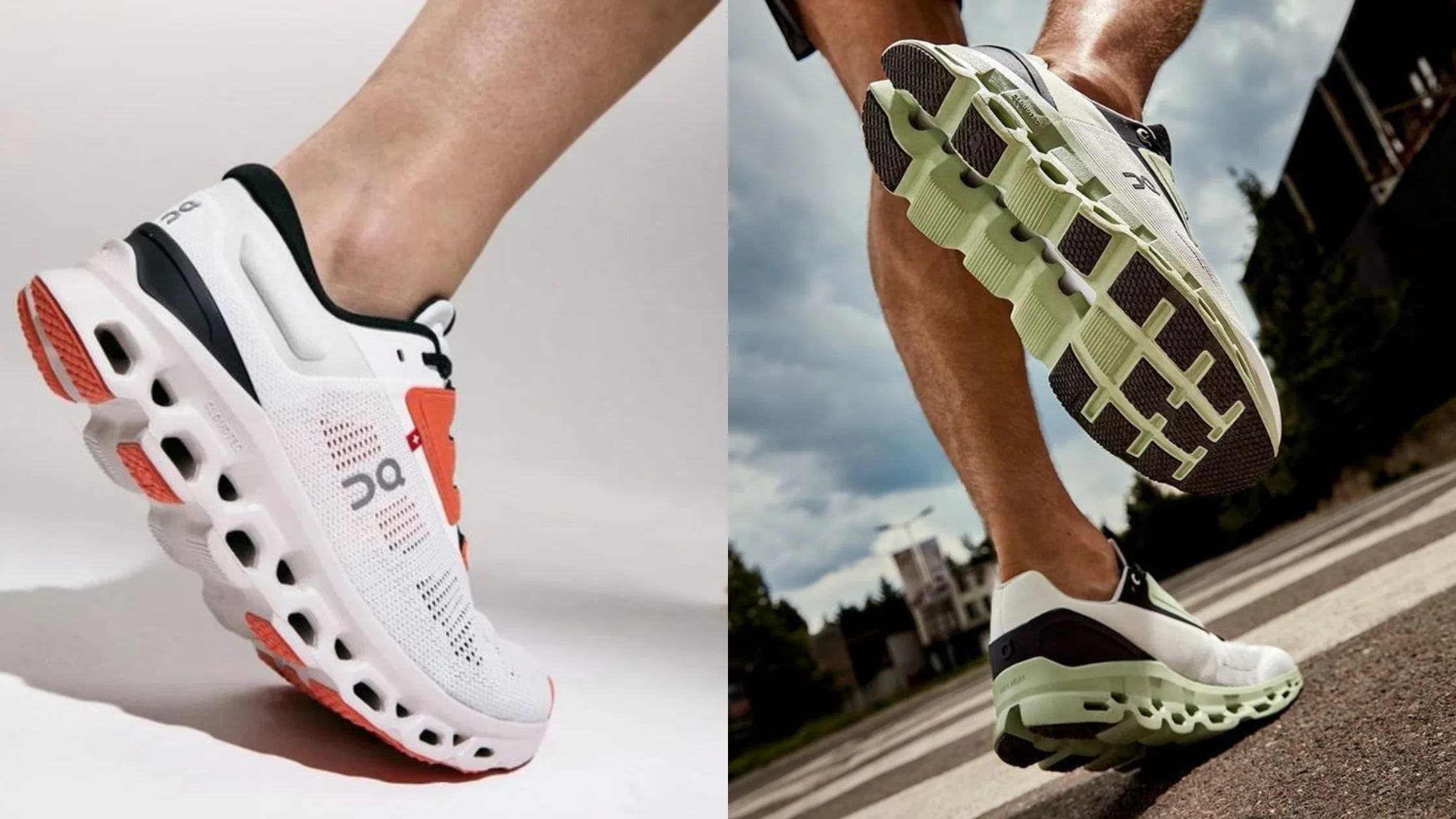
Long-Distance Running Starts With the Right Shoes
Running long distances is not just about stamina or determination. It is about preparation, consistency, and the equipment you use. Among all the gear required for endurance running, shoes play the most critical role.
When you run for extended periods, your feet absorb repeated impact. Over time, this stress can lead to fatigue, discomfort, and injuries if your footwear does not provide proper support.
In 2025, long-distance runners have access to advanced footwear technology designed to improve comfort and endurance. Modern running shoes use improved cushioning systems, breathable materials, and durable soles to handle long training sessions.
If you are planning to run longer distances—whether for fitness, marathons, or daily endurance training—choosing the right shoes is one of the most important decisions you can make.
Why Long-Distance Running Requires Specialized Shoes
Short runs and long runs place very different demands on your body.
During long-distance running, your muscles and joints experience continuous stress. The longer you run, the more important cushioning and support become.
Long-distance running shoes are designed to:
- Reduce impact on joints
- Improve comfort over time
- Prevent foot fatigue
- Maintain stability
- Support endurance performance
If you are still building your running routine, you may also benefit from reading our guide on best lightweight running shoes, which explains how reduced shoe weight helps maintain energy during extended workouts.
The Most Important Features for Long-Distance Running Shoes
Selecting the right shoe requires understanding the features that support endurance.
Cushioning for Shock Absorption
Cushioning is the foundation of long-distance comfort.
Every step creates pressure on your feet. Good cushioning absorbs this impact and protects your joints.
Shoes designed for endurance typically include thicker midsoles and responsive foam materials.
This feature becomes especially important for runners training on hard surfaces such as roads or pavements.
Proper Fit and Toe Space
Long runs cause your feet to expand slightly.
Shoes that are too tight can cause blisters and discomfort. Shoes that are too loose can reduce stability.
A proper fit ensures comfort throughout your run.
Always leave a small amount of space in the toe area to allow natural movement.
Breathability for Temperature Control
Long-distance running generates heat and sweat.
Shoes with breathable materials help maintain airflow and reduce moisture buildup.
This keeps your feet cool and prevents irritation.
Breathability also improves overall comfort during extended training sessions.
Durability for Extended Use
Long-distance runners use their shoes more frequently than casual runners.
Durable materials ensure the shoe maintains performance over time.
High-quality soles and reinforced stitching increase longevity.
Durability becomes particularly important for runners preparing for events such as half-marathons or marathons.
Understanding Your Running Surface
Your running surface significantly influences the type of shoe you need.
Road runners typically require shoes with strong cushioning, while trail runners need shoes with better grip and protection.
Outdoor environments can vary widely, from smooth pavement to uneven terrain. This is similar to how adventure activities require specialized gear designed for specific conditions. Learning about proper equipment selection in outdoor sports can provide valuable insights into performance and safety. You can explore more about adventure preparation and equipment through resources on
skydiving safety and gear selection.
These examples highlight how the right equipment improves both comfort and safety.
The Role of Strength and Flexibility in Endurance Running
Long-distance running depends not only on footwear but also on physical conditioning.
Strong muscles and flexible joints help reduce fatigue and improve performance.
Many endurance athletes incorporate stretching routines into their training schedule. Yoga is particularly effective for improving flexibility and preventing muscle stiffness.
You can learn more about yoga routines for runners and recovery techniques by visiting.
Combining proper footwear with flexibility training creates a balanced and sustainable running routine.
Travel and Long-Distance Running
Many runners enjoy participating in races or exploring new running locations while traveling.
Different environments require adaptable footwear.
For example, runners training near beaches or coastal areas may encounter wet surfaces and changing terrain. Similar challenges exist in water-based adventure activities where proper gear ensures safety and comfort.
You can discover how equipment selection supports performance in outdoor environments through this guide on
scuba diving travel preparation and gear essentials.
Understanding environmental conditions helps runners make smarter footwear decisions.
Signs Your Shoes Are Not Suitable for Long-Distance Running
Your body often provides clear signals when your shoes are not designed for endurance.
Watch for these warning signs:
- Foot pain after long runs
- Excessive fatigue
- Blisters or irritation
- Knee or ankle discomfort
- Reduced running performance
If you experience these symptoms regularly, replacing your shoes may improve your running experience.
How Often Should Long-Distance Running Shoes Be Replaced?
Running shoes gradually lose their cushioning and support.
Most long-distance running shoes should be replaced after:
600 to 900 kilometers of running
Replacing shoes at the right time helps maintain comfort and prevent injuries.
Keeping track of your mileage is one of the simplest ways to protect your feet.
Tips for Choosing the Best Long-Distance Running Shoes in 2025
Choosing the right shoe does not need to be complicated.
Focus on comfort first.
Try shoes before purchasing.
Consider your running goals.
Select shoes designed for endurance.
Replace worn-out footwear regularly.
These simple steps can make a significant difference in your running performance.
Final Thoughts
Long-distance running is a rewarding activity that improves physical fitness and mental resilience.
However, success depends on preparation.
Choosing the right running shoes ensures comfort, protects your joints, and supports consistent training.
In 2025, advancements in footwear technology make it easier than ever to find shoes designed specifically for endurance.
Investing in quality running shoes is not just about performance—it is about protecting your health and enjoying your running journey.
FAQs
What type of shoe is best for long-distance running?
Shoes with strong cushioning, proper fit, and durable construction are best for endurance running.
Should long-distance running shoes be tight or loose?
They should fit comfortably with a small amount of space for toe movement.
How many kilometers can running shoes last?
Most long-distance running shoes last between 600 and 900 kilometers.
Can beginners run long distances?
Yes, but they should increase distance gradually and use proper footwear.
Do expensive running shoes perform better?
Not always. Comfort and fit are more important than price.